Main Content

Peregrine falcon: A conservation success story

Date
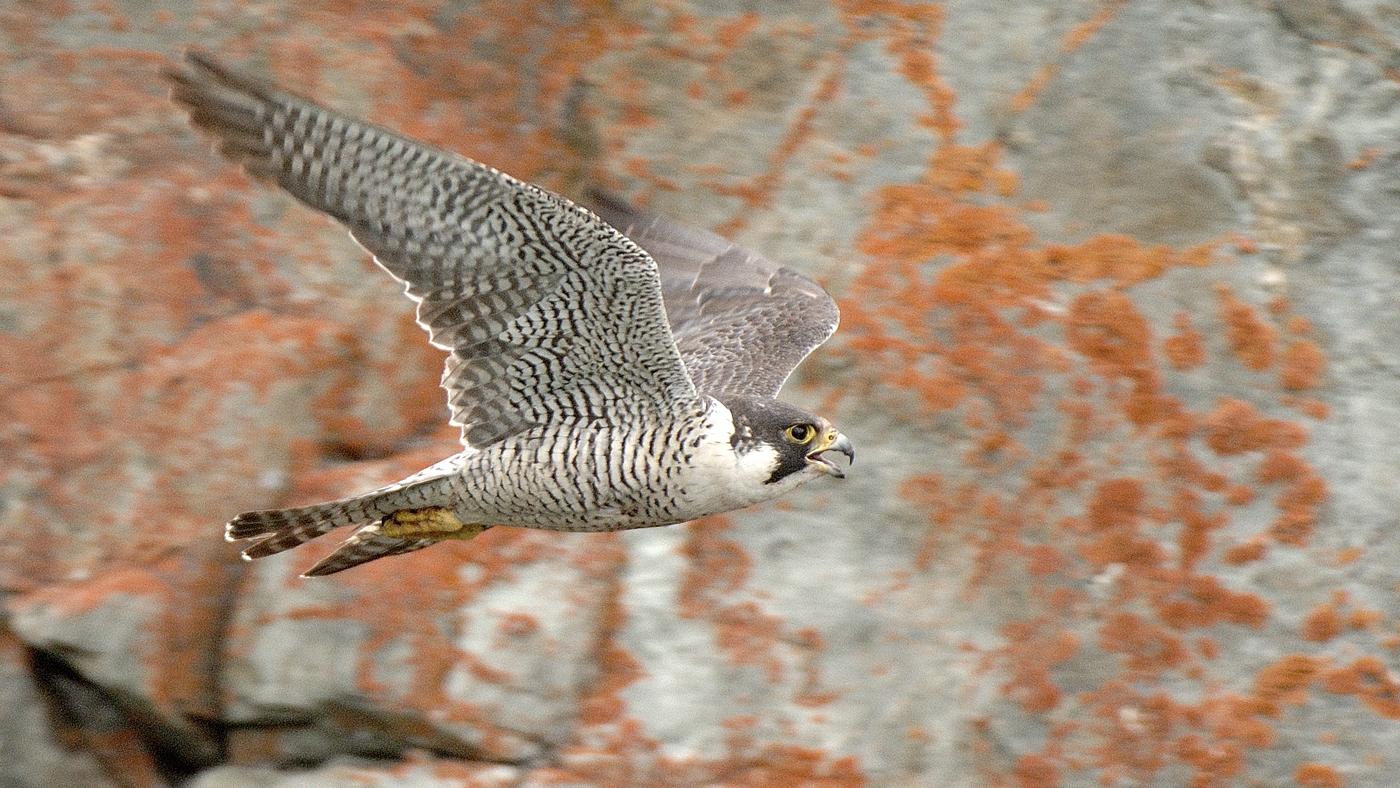
Peregrine falcon - Credit: Gordon Court

The peregrine falcon—the fastest bird in the world—is no longer a species at risk. It is a conservation success story.                            

Canada’s peregrine falcons were first listed as Endangered in 1978 after populations crashed from DDT poisoning. The pesticide DDT was widely used at the time, building up through the food chain and reducing the female falcon’s ability to lay healthy eggs.

The peregrine falcon became an important symbol of the environmental movement. Some countries banned the use of DDT and captive breeding programs helped to reintroduce the falcons across southern Canada. The falcons proved to be adaptable to new habitats, which also helped their recovery.

Since the 1970s, peregrine falcon populations in Canada have rebounded thanks to these conservation efforts. Over time, national assessments by the Committee on the Status of Endangered Wildlife in Canada (COSEWIC) determined the status of the species was improving. The peregrine falcon was assessed as not at risk in 2017 and removed entirely from the Species at Risk Act list in 2023.

At the territorial level, peregrine falcon populations have increased as well. Over 20 years, NWT surveys found a 58 per cent increase in the number of occupied sites. In 2022, the NWT Species at Risk Committee assessed the biological status of peregrine falcon using Indigenous, community and scientific knowledge and determined that it is not at risk in the NWT. Although some threats remain, the level of contaminants in the birds is low enough that it is no longer affecting reproduction in the overall population, and numbers are stable.

Photo: Gordon Court

“Despite multiple threats, the species shows clear signs of resilience and adaptability.” 

                            - NWT Species at Risk Committee

While it is no longer a species at risk, the peregrine falcon is still protected in other ways. It is protected from international trade in live birds or bird parts by the Convention on International Trade in Endangered Species (CITES). Peregrine falcons, their nests and their eggs also remain protected under the NWT Wildlife Act.

The story of these resilient birds shows that our species at risk can recover when threats are stopped or reduced, and provides an important reminder that strong and coordinated action can change the fate of a species.

Recommendations for peregrine falcon

Issued by the NWT Species at Risk Committee in its assessment and status report – May 2022

  • Improve monitoring of raptors, their habitat and their prey species in the NWT.
  • Prioritize Indigenous and community knowledge research on birds including raptors, their prey species, their habitat and their ecosystem.
  • Research ecosystem level impacts of climate change on raptors and other species including pests, pathogens and parasites.
  • Canada and the NWT must uphold and, if possible, exceed international climate change agreements including reducing greenhouse gas emissions at the local level. Climate change in the NWT must be addressed by implementing the 2030 NWT Climate Change Strategic Framework and Action Plan.

NWT wildlife authorities identify actions to support northern mountain caribou

Date
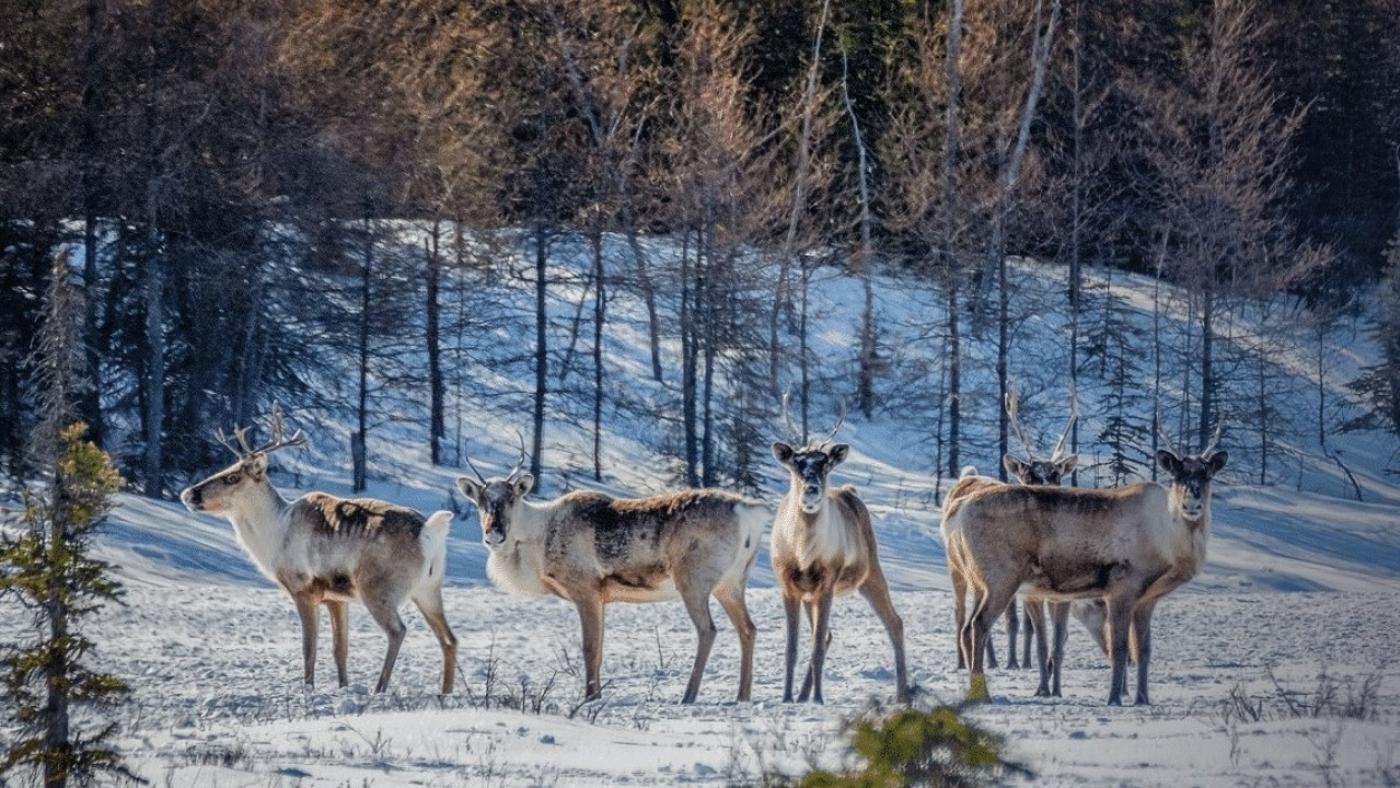
Northern mountain caribou - Pierre-Emmanuel Chaillon

The Conference of Management Authorities, established under the Species at Risk (NWT) Act to manage and recover species at risk in the Northwest Territories (NWT), has reached agreement on the implementation of the Management Plan for Northern Mountain Caribou in the Northwest Territories.

Northern mountain caribou are listed as a species of Special Concern in both the NWT and in Canada. The NWT management plan, released in July 2023, is the result of a collaborative effort by wildlife management authorities across the range of northern mountain caribou in the NWT. It is based on the Government of Canada’s management plan for northern mountain caribou (2012) and shares the same overall goal: to prevent northern mountain caribou from becoming Threatened or Endangered by having responsible agencies cooperatively work together to carefully manage these caribou and their habitat.

The implementation agreement identifies the actions NWT management authorities intend to take to put the management plan into action. Successful conservation of northern mountain caribou in the NWT will depend on the commitment and cooperation of the many different groups with responsibility for wildlife management in the NWT, together with residents and visitors. Progress on implementation will be reported on every five years, as required under the Species at Risk (NWT) Act.

Additional species information and supporting documents, including status reports, assessments and consensus agreements, are available at www.nwtspeciesatrisk.ca.

Photo: Northern mountain caribou, Pierre-Emmanuel Chaillon

For more information contact

Jody Pellissey, Chairperson
Conference of Management Authorities
c/o NWT Species at Risk Secretariat
(867) 767-9237 ext. 53215
SARA@gov.nt.ca

Quick Facts

  • The Management Plan for Northern Mountain Caribou in the Northwest Territories provides guidance on the stewardship and long-term management of northern mountain caribou and their habitat throughout the NWT.
  • The NWT management plan includes the national management plan (2012) and an NWT addition developed by the Conference of Management Authorities (CMA). Indigenous governments and Indigenous organizations as well as NWT residents were invited to provide input on the NWT management plan.
  • The CMA is made up of the wildlife co-management boards and governments that share responsibility for wildlife in the NWT. Management authorities for northern mountain caribou in the NWT are:
    • Gwich’in Renewable Resources Board;
    • Ɂehdzo Got’ı̨nę Gots’ę́ Nákedı (Sahtú Renewable Resources Board); and
    • Government of the Northwest Territories. 
  • There are no automatic prohibitions or protections for northern mountain caribou, or its habitat, associated with the implementation of the management plan. The management plan does not change quotas, by-laws or regulations already in place.
  • Implementation of the management plan is subject to appropriations, priorities and budgetary constraints of the management authorities.

Links

Coordinated conservation action more important than ever for Dolphin and Union caribou

Date
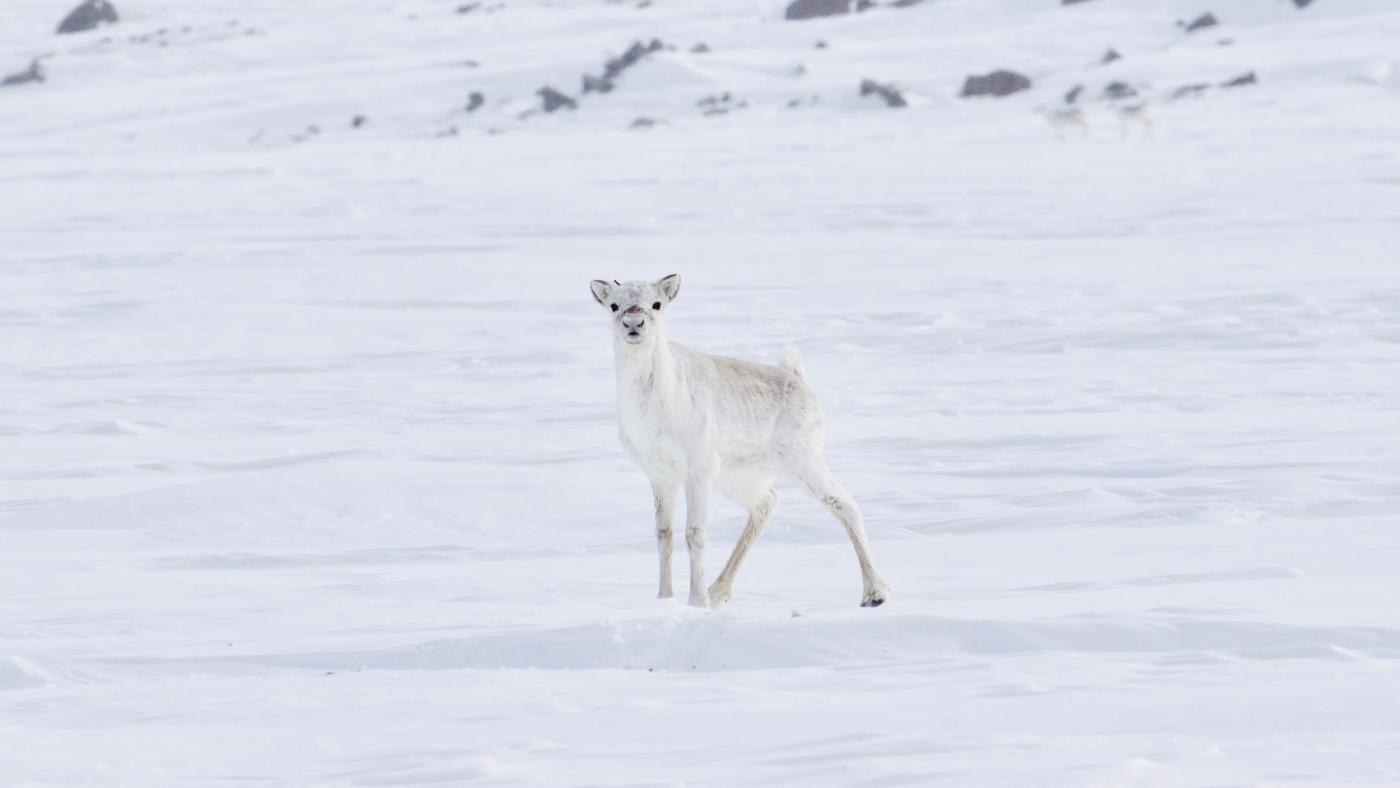
Dolphin and Union Caribou - Xavier Fernandez Aguilar

A new report on Dolphin and Union caribou shows how conservation and management actions have intensified over the last five years, as the species faces steep declines and changes to its distribution in the Northwest Territories (NWT) and Nunavut.

The Progress Report on the Management of Dolphin and Union Caribou was released today by the Conference of Management Authorities in coordination with the Government of Nunavut and other wildlife management partners in the NWT and Nunavut.

The report details the extensive action taken across both territories from 2018-2022 to implement the Management Plan for Dolphin and Union Caribou, from population surveys and community-based monitoring, to coordinated management of Arctic ship traffic and harvest restrictions.

Dolphin and Union caribou are currently listed as a species of Special Concern in both the NWT and Canada—the lowest level of risk for a listed species. However, the NWT Species at Risk Committee recently assessed them as Endangered in the NWT, meaning Dolphin and Union are facing imminent extinction if threats cannot be mitigated.

Progress reporting is required every five years under the Species at Risk (NWT) Act. This is the first progress report for Dolphin and Union caribou.

The full progress report and additional information on Dolphin and Union caribou and other NWT species at risk are available on this website.

For more information, contact:

Conference of Management Authorities
c/o NWT Species at Risk Secretariat
Phone: (867) 767-9237 ext. 53215
Email: SARA@gov.nt.ca

Photo: Xavier Fernandez Aguilar


BACKGROUND:

  • Dolphin and Union caribou were listed under the federal Species at Risk Act in 2011 and under the Species at Risk (NWT) Act in 2015. The Management Plan for Dolphin and Union Caribou in the Northwest Territories and Nunavut was completed in 2018.
  • The Conference of Management Authorities (CMA) is the group of wildlife co-management boards and governments that share management responsibility for the conservation and recovery of species at risk in the NWT. The Management Authorities for Dolphin and Union caribou in the NWT are:
    • Wildlife Management Advisory Council (NWT)
    • Government of the Northwest Territories
  • NWT Management Authorities work closely with other partners in Nunavut and the NWT to take action on Dolphin and Union caribou. Management partners include the Government of Nunavut; Nunavut Wildlife Management Board; Kitikmeot Regional Wildlife Board; Nunavut Tunngavik Inc.; Inuvialuit Game Council; Hunters and Trappers Organizations and Hunters and Trappers Committees; and Government of Canada.
  • The range of Dolphin and Union caribou straddles the NWT and Nunavut, as the caribou migrate across the sea ice between Victoria Island and the mainland twice a year. Changes to sea ice freeze-up and break-up due to climate change and increased ship traffic are threatening migration. Dolphin and Union caribou are also affected by freezing rain and other extreme weather, industrial development and predators.
  • The 2018-2022 progress report includes upwards of 200 management actions taken over five years, including significant proactive measures by communities to reduce harvest pressure and develop solutions to mitigate the risks of icebreaking activities.
  • Dolphin and Union caribou are one of twelve species identified as “at risk” of disappearing from the Northwest Territories and legally listed under the Species at Risk (NWT) Act. 

Species at Risk funding now available!

Date
leslie_bol_rescan_imgp3084.jpg

The call for application for the 2024-2025 program year is now closed.

The next call for applications for 2025-2026 projects will open on January 15, 2025.


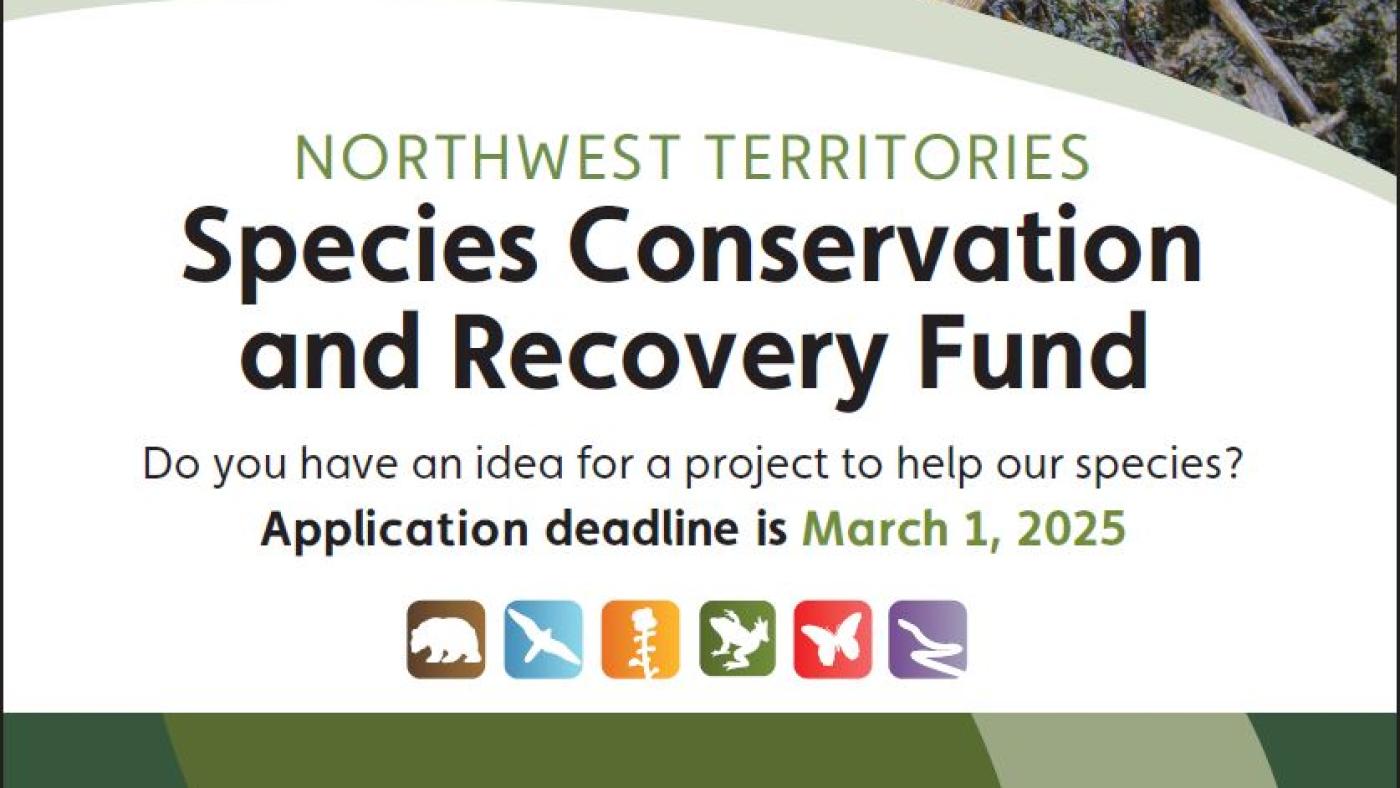
The NWT Species Conservation and Recovery Fund provides funding for projects that support the long-term conservation, recovery and protection of species that are at risk in the NWT.

Applications for funding for 2024-2025 projects (beginning April 1, 2024) are being accepted from January 15 to March 1, 2024.

Please submit your completed application form if you have an idea for a project that:

  • Addresses threats to species, habitats, landscapes, or ecosystems
  • Fills knowledge gaps related to species, habitats, or threats
  • Contributes to outreach, education, and awareness about species

Apply now! The application package is available here (also available in French).

For more information, please see the NWT Species Conservation and Recovery Fund web page or read the brochure.

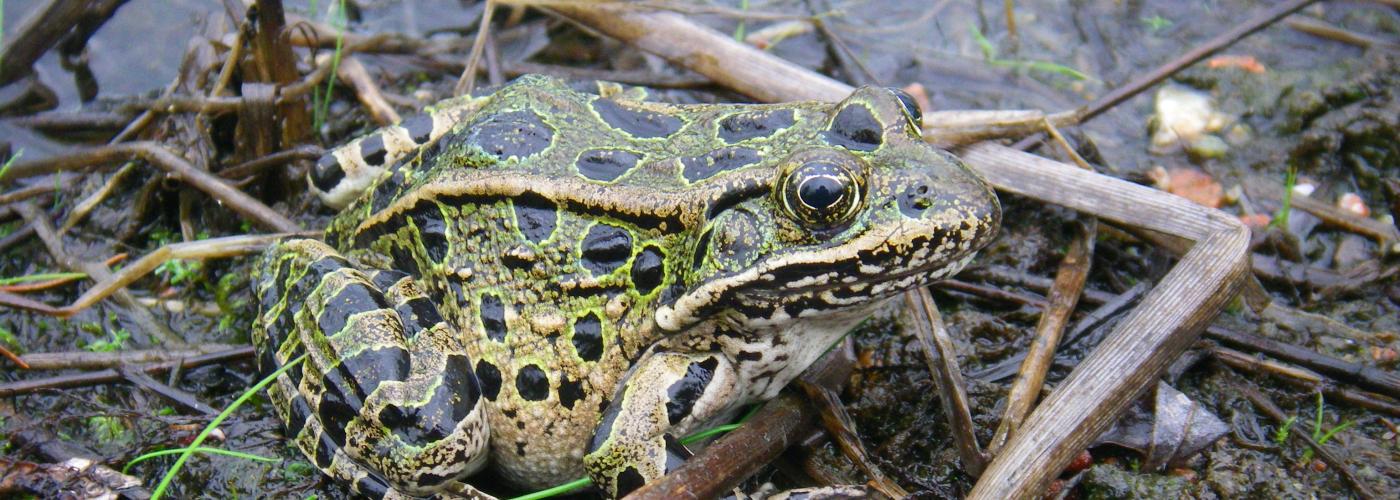
Photo: Northern leopard frog, Leslie Bol

Draft Species Status Report for Peary Caribou in the NWT

Date

This engagement opportunity is now closed. Thank you for your comments! 

The species status report for Peary caribou was finalized in May 2022.


The NWT Species at Risk Committee (SARC) has released the draft Species Status Report for Peary Caribou (Rangifer tarandus pearyi) in the NWT for review. The species status report is a comprehensive report that compiles and analyzes the best available Indigenous, community, and scientific information on the biological status of Peary caribou in the NWT, as well as existing and potential threats and positive influences. The report was prepared in advance of the scheduled 2022 re-assessment of Peary caribou in the NWT and updates the information available in the previous (2012) status report for Peary caribou in the NWT.

If you are interested in reviewing the report and submitting comments, please use the following questions to guide your review:

  • Has the report fully investigated the best available sources of information?
  • Is the information from those sources portrayed accurately?

Comments on the draft report must be submitted to the Species at Risk Secretariat by no later than January 7, 2022 (commenting on this document is now closed).

Comments can be submitted via email (sara@gov.nt.ca), fax (867-873-0293), or via standard mail at the address below:

Species at Risk Secretariat
SC6, c/o Environment and Natural Resources
Government of the Northwest Territories
PO Box 1320
Yellowknife, NT X1A 2L9

Please note that the report is a draft and is not to be cited without permission of the Species at Risk Committee Chairperson. If you have any questions about reviewing draft status reports, or if you require the report in a different format, please contact the Species at Risk Secretariat.